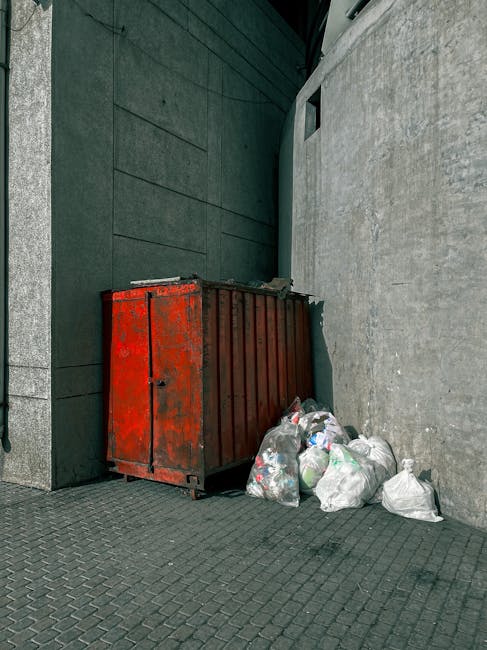
Five Rubbish Disposal Myths That Could Cost UK Homeowners
If you own a home in the UK, rubbish disposal looks simple enough on the surface: clear the clutter, book a collection, move on. But that's exactly where the trouble starts. A few common myths can lead to missed council rules, avoidable fees, fly-tipping risk, and a lot of unnecessary stress. In this guide to Five Rubbish Disposal Myths That Could Cost UK Homeowners, we'll unpack what people often get wrong, what usually happens in real life, and how to make better decisions without turning a tidy-up into a headache.
Truth be told, most mistakes happen because homeowners are trying to be practical. You just want the junk gone. Fair enough. The problem is that "quick fix" advice often ignores the details that matter: what counts as waste, who can take it, how it should be handled, and what happens if something goes wrong. Let's get into the five myths, then look at the safest and smartest way forward.
Why Five Rubbish Disposal Myths That Could Cost UK Homeowners Matters
Rubbish disposal is one of those household jobs that seems minor until it isn't. A sofa left in the hallway, a garden pile at the end of the drive, or a garage full of broken bits can quickly become expensive if you assume the wrong thing. That's why these myths matter. They don't just create confusion. They can lead to extra transport charges, rejected collections, unsafe handling, or the kind of "someone will sort it" thinking that sometimes ends in a fly-tipping fine or a complaint from the neighbours. Not ideal.
For homeowners, the stakes are slightly different from those for landlords or businesses. You are usually dealing with mixed waste: old furniture, household junk, loft items, DIY offcuts, garden waste, maybe a mattress or two. Different waste types often need different handling, and not every collection service deals with everything in the same way. If you're clearing out multiple rooms, home clearance or a more targeted service like loft clearance or garage clearance may be far more practical than trying to manage it all yourself.
Myth-busting matters for another reason too: money. A wrong assumption can make a cheap job more expensive than a proper one. One missed item, one overweight load, or one awkward access route can change the quote. That's not always the provider being difficult; often it's simply the reality of waste logistics. Homeowners who understand this tend to plan better, compare more calmly, and avoid the last-minute scramble.
Expert summary: The cheapest rubbish removal option is rarely the one with the lowest headline price. It is the one that matches the waste, the access, and the outcome you actually need.
How Five Rubbish Disposal Myths That Could Cost UK Homeowners Works
Let's keep this plain. Rubbish disposal for a homeowner usually falls into one of three routes: council collection, self-haul to a household waste site if allowed, or a private waste removal service. Each route has pros and cons, and each is affected by the type of waste, how much of it there is, and how quickly you need it gone.
The myths come from oversimplifying that process. People assume all rubbish is treated the same. It isn't. A broken wardrobe, a bag of garden cuttings, and leftover plasterboard are not interchangeable in practice. Even everyday items can become tricky if they're mixed with paint, electricals, or sharp waste. That's where a service such as waste removal can make the process much easier, especially if you want one collection rather than several separate trips.
In reality, good disposal work starts with sorting. Then comes the decision: donate, reuse, recycle, or dispose. That sequence sounds obvious, but it's where many homes go wrong. We've all seen the "I'll deal with it later" pile grow quietly in the corner of a room. By the time it's a mountain, the job feels bigger, pricier, and oddly more emotional. That's normal, by the way.
The most important thing is to match the method to the job. A single bulky item may need a furniture-only solution, while a full house move-out may call for something broader like house clearance or furniture disposal. If you are unsure what belongs where, the right question is not "What is the fastest option?" but "What is the safest and cleanest option for this specific load?"
Myth 1: "If it's mine, I can leave it anywhere for collection"
This is one of the most common misunderstandings. Ownership does not remove responsibility. Waste left in the wrong place, at the wrong time, or in the wrong format can be refused or miscollected. If access is tight, if items are not ready, or if the waste isn't what was described, the job can become more complicated very quickly.
For example, a homeowner might set out old furniture on the front path the night before a collection, only to discover it blocks access or breaches local rules. Simple on paper. Messy in practice.
Myth 2: "All bulky waste is basically the same"
Not really. Sofas, wardrobes, white goods, garden cuttings, builders' rubble, and mattresses all behave differently from a collection and disposal point of view. They take up different space, carry different risks, and may need different vehicles or handling methods. If you have renovation offcuts, a dedicated service such as builders waste clearance may be a better fit than a general household pickup.
Myth 3: "Cheaper is always better"
Cheap rubbish removal can be fine. But it can also be a false economy if it leaves you with hidden extras, poor communication, or no clarity on what happens to the waste. The lowest quote may not include lifting from upstairs, difficult access, mixed waste, or items that need special treatment. Ask what is included and what is not. A clear quote usually beats a suspiciously tiny one.
Myth 4: "Recycling is automatic"
Many homeowners assume everything gets recycled if they pay for collection. In practice, recyclable material still needs to be separated and processed correctly. Broken furniture, mixed household junk, and contaminated items may reduce what can be recovered. A responsible provider should be transparent about recycling and disposal pathways. If sustainability matters to you, it is worth checking a provider's recycling and sustainability approach before booking.
Myth 5: "DIY disposal is always the safest way to save money"
Sometimes DIY disposal makes sense. Sometimes it is simply hard work with a van. If you're lifting heavy items, making repeated trips, or handling awkward waste, the hidden costs are time, fuel, wear and tear, and possibly injury. If the waste is bulky, dirty, or mixed, a professional collection can be the calmer option. There's no prize for dragging a broken wardrobe through the rain at 8am, honestly.
Key Benefits and Practical Advantages
Getting rubbish disposal right gives you more than a tidy driveway. It reduces the risk of damage, saves time, and keeps the job from ballooning into a weekend-consuming slog. For a lot of homeowners, that breathing room is the real benefit.
Here are the advantages that matter most:
- Fewer surprises: Clear descriptions and proper sorting reduce rejected collections and add-on charges.
- Safer handling: Heavy, sharp, or awkward items are less likely to cause injury when handled properly.
- Better space recovery: Clearing the loft, garage, or spare room makes the home easier to use day to day.
- Cleaner outcomes: You avoid leaving waste on kerbs, paths, or shared access areas for too long.
- More confidence: You know what happened to the waste, rather than guessing.
There is also a practical planning advantage. Once you understand the myths, you can choose the right service first time. A flat with limited access may need flat clearance. A room full of mixed household items may suit home clearance. A pile of old chairs and tables may call for furniture clearance. That kind of match-up saves hassle, and sometimes money too.
And yes, it makes your home feel better. Less clutter on the floor, less background stress, fewer things you keep stepping around. You notice it most on a grey weekday morning when the room is finally calm.
Who This Is For and When It Makes Sense
This guide is for any UK homeowner who has more rubbish than a bin day can reasonably handle. That includes people after a clear-out, after moving house, after a loft or garage sort-out, after a minor renovation, or after replacing old furniture. If that sounds like your week, welcome to the club.
It is especially useful if you are:
- preparing a property for sale or rent
- clearing the house after a family change or bereavement
- dealing with mixed bulky waste from several rooms
- disposing of old furniture without transport of your own
- tidying a garden, shed, or outdoor storage area
- trying to avoid skip hire when the job is too small or too awkward for a skip
In some cases, a specialist service is the simplest route. For instance, if your old settee, bed frame, and wardrobe all need taking away, a furniture-specific collection can be more efficient than piecing together separate solutions. If the items are still in decent condition, re-use or donation may be worth considering. If not, then disposal is the right call, but only after checking the best method.
It also makes sense if you're short on time. Many homeowners think they'll sort it "next weekend" and then, three weekends later, the pile is still there. A professional collection can stop that slow drift. Sometimes that alone is worth it.
Step-by-Step Guidance
If you want to avoid the five myths and make the whole process smoother, use this simple approach.
- List what you actually need to remove. Write it down room by room. Include bulky items, bagged rubbish, DIY waste, and anything fragile or sharp.
- Separate reuse, recycle, and dispose. A usable chair is not the same as broken chipboard. Keep the obvious reusable stuff apart if you can.
- Check access points. Stairs, narrow hallways, side gates, parking, and lift access all affect the job. This is where surprises tend to live.
- Match the service to the waste. Consider garage clearance, loft clearance, or garden clearance if the waste is concentrated in one area.
- Ask what is included. Make sure lifting, loading, transport, and disposal are covered, and ask about anything excluded.
- Book a time that gives you room. If you can, avoid squeezing the job into a tiny window when you are rushing around with no clear plan.
- Prepare the area. Move pets, unlock access, and keep the route clear. It sounds basic, but it helps a lot.
- Keep records if needed. For bigger clear-outs, keep your quote, confirmation, and any notes about the waste type.
One small but useful habit: take a quick photo before collection. Nothing dramatic. Just a normal record of what was there. It helps if there is any confusion later, and it gives you a before-and-after moment that is weirdly satisfying.
Expert Tips for Better Results
Here's where a few experienced habits make a big difference. Not glamorous stuff, but useful.
- Be precise with descriptions. "A few bits of rubbish" is not helpful. "Two wardrobes, one broken desk, five black bags, and a mattress" is.
- Think in access, not just volume. A small load on the third floor can be harder than a larger load at ground level.
- Separate awkward items early. Old paint, electrical items, and sharp debris should not sit in the same pile as soft household waste.
- Check payment clarity. If you want to understand what to expect before you book, review the provider's payment and security information and pricing and quotes guidance.
- Choose based on outcome, not only price. Fast, tidy, insured, and clear usually beats "cheap but vague."
Another small tip: if you have a mix of items from different parts of the home, group them by room before collection day. It speeds things up and makes it easier for the crew to assess the job. Sounds almost too simple, but it works.
Also, ask whether your waste can be handled alongside a larger clearance if needed. A partial clear-out can sometimes sit neatly within a wider service such as house clearance or furniture disposal. That flexibility is useful when the job is not one neat category. Most homes are not neat categories anyway.
Common Mistakes to Avoid
The biggest mistakes are often the most ordinary ones. That is what makes them annoying.
- Leaving everything until the last minute. Rushed decisions create rushed quotes and rushed lifting.
- Mixing waste types without checking. One contaminated item can complicate an otherwise easy load.
- Assuming council and private services work the same way. They do not.
- Ignoring access issues. A van cannot magically reach every back garden or top-floor flat.
- Using vague wording when requesting a quote. "There's quite a bit" never helps anyone.
- Choosing a provider without checking service fit. A provider that handles builders waste clearance may be better suited to renovation debris than to household furniture, and vice versa.
One sneaky mistake is forgetting what is in the pile. People often move a few bags into the hall, then tuck another item behind them, and then another. By collection day, even they're not sure what's there. You can see how that goes sideways. A quick inventory avoids that mess.
Another common issue is trying to make everything someone else's responsibility without giving enough information. To be fair, many misunderstandings happen because the homeowner thought the waste was "obvious." It usually isn't. The more exact you are, the fewer problems you'll have.
Tools, Resources and Recommendations
You do not need complicated tools to manage rubbish disposal well. A bit of planning, a notebook, your phone camera, and a tape measure are usually enough. Still, a few practical resources can make the process smoother.
- Phone camera: useful for documenting the load before collection and checking item condition.
- Tape measure: helps if large furniture has to pass through narrow gaps.
- Basic sorting bags or boxes: ideal for separating smaller waste by type.
- Pen and paper or notes app: useful for listing items room by room.
- Access check: measure doors, stair bends, and gate widths if bulky items are involved.
For homeowners who want a wider clear-out rather than a one-off pickup, services such as home clearance, house clearance, and furniture clearance can be a sensible next step. If you're dealing with a cluttered outbuilding, garage clearance or loft clearance may be more targeted and therefore easier to manage.
If you care about environmental outcomes, ask how the waste is sorted and whether items are diverted for reuse where possible. A provider's sustainability stance can tell you a lot about how seriously they treat the process.
Law, Compliance, Standards, or Best Practice
This topic touches compliance because rubbish is still waste, even if it is just your old sofa or a weekender pile from the shed. In the UK, homeowners are expected to dispose of waste responsibly and to use appropriate services for transport and disposal. That does not mean you need to become a legal expert, thankfully, but it does mean you should be careful about who takes the waste, where it goes, and whether the process is legitimate.
Best practice is simple: use clear descriptions, keep proof of service where appropriate, and avoid leaving waste in public or shared areas unless collection arrangements genuinely allow it. If a provider seems vague about handling, insurance, or what happens to the waste after removal, that is worth pausing on. A little caution here saves a lot of grief later.
For peace of mind, it can help to look through a provider's policies on health and safety, insurance and safety, and complaints procedure. Those pages do not answer every question, but they do show whether the business takes its responsibilities seriously. That's useful when you are letting strangers handle heavy items inside your home.
One more practical point: if you are disposing of furniture, mixed household waste, or renovation debris, remember that some items may need specific treatment. If you are unsure, ask before collection day rather than after. It is a much easier conversation.
Options, Methods, or Comparison Table
Here is a simple comparison of the most common routes homeowners consider. There is no perfect answer for every situation, just the best fit for the job at hand.
| Option | Best for | Pros | Watch-outs |
|---|---|---|---|
| Council collection | Smaller, non-urgent items where availability fits | Often straightforward for basic household items | May involve wait times, limits, or restrictions on item type |
| Self-haul | People with the right vehicle and time | Direct control, useful for smaller loads | Fuel, time, lifting, and site rules can make it less convenient |
| Private waste removal | Bulky, mixed, awkward, or time-sensitive waste | Faster, less lifting for you, more flexible | Quality varies, so clarity and trust matter |
| Specialist clearance | Furniture, lofts, garages, gardens, or renovation debris | Better match to the waste and setting | Needs the right service type |
If the job is really about reclaiming a space rather than disposing of one item, specialist services often make the most sense. A cluttered outbuilding is not the same as a single mattress, and treating them as equal is where people end up overpaying or underplanning.
Case Study or Real-World Example
Here's a realistic example. A homeowner in a semi-detached house had been stacking items in the garage for months: an old chest of drawers, a broken desk, garden trimmings, three bags of mixed household waste, and a few leftover bits from a shelf installation. They initially assumed one general collection would be enough, and that any provider could handle it all in one go.
Once they listed the items properly, two things became clear. First, the waste was mixed enough that it needed better sorting. Second, access into the garage was awkward because the side path was narrow and partly blocked by plant pots. They split the job into categories, cleared the access route, and chose a service that could handle the full load without multiple trips. The result was faster, tidier, and less stressful than the original plan.
The interesting bit is what they avoided: a rushed booking, surprise extra charges, and a pile of waste sitting outside overnight. Nothing dramatic happened, which is the point. Good disposal often looks boring from the outside. Quietly effective. That's exactly what you want.
They also realised their old assumption was wrong: not every item needed the same handling. Once they understood that, the whole process got easier. Less second-guessing. Less waiting around. More room in the garage, which was the actual goal all along.
Practical Checklist
Use this checklist before you book any rubbish disposal or clearance service.
- Make a list of every item that needs removing.
- Separate reusable, recyclable, and disposable items where possible.
- Check whether the waste is general, bulky, garden, DIY, or furniture-related.
- Measure access points if large items are involved.
- Confirm what the quote includes and excludes.
- Ask about lifting, loading, and transport.
- Review insurance, safety, and complaints information.
- Prepare parking or access arrangements if needed.
- Keep pets and children away from the working area.
- Take a quick photo of the waste before collection.
- Check whether a specialist service might fit better than a general one.
- Decide in advance what happens to items that are still usable.
If you tick off even half of those points, you are already ahead of most rushed clear-outs. Honestly, that's the difference between a smooth morning and a messy one.
Get a free quote today and see how much you can save.
Conclusion
The real danger in rubbish disposal is not usually the waste itself. It is the assumptions wrapped around it. The five myths covered here can make homeowners overpay, under-prepare, or choose the wrong route entirely. Once you understand the difference between household junk, bulky waste, furniture, garden waste, and building debris, the whole process gets simpler.
If you remember nothing else, remember this: the right disposal method depends on the waste, the access, the timing, and the level of help you want. Match those properly and the job becomes far less stressful. You may even find yourself oddly pleased by the before-and-after effect. A clear space has a way of making everything else feel lighter.
And that's worth a lot on a busy week.
Frequently Asked Questions
What are the most common rubbish disposal myths for UK homeowners?
The biggest myths are that all waste is the same, that cheaper is always better, that recycling happens automatically, that DIY disposal is always easiest, and that anything can be left out for collection without issues.
Can I put all my household rubbish into one collection?
Sometimes, yes, but it depends on the type of waste and the provider's rules. Mixed loads can be fine, but awkward items, sharp materials, or renovation debris may need to be separated first.
Is private rubbish removal better than council collection?
Not always. Private removal is often faster and more flexible, while council collection can be suitable for smaller or less urgent jobs. The right choice depends on your waste type, timing, and budget.
Do I need a specialist service for furniture disposal?
If the job mainly involves sofas, beds, wardrobes, or similar bulky items, a furniture-focused service is often the cleaner and easier option. It can also reduce confusion about what is being collected.
How do I know if I need house clearance rather than waste removal?
House clearance is usually better when you are clearing multiple rooms or a whole property. General waste removal is often better for a specific pile of rubbish or a smaller mixed load.
Will everything I dispose of be recycled?
Not necessarily. Some items can be recycled or reused, but not everything can be processed that way. The mix, condition, and contamination level all affect what happens next.
What should I check before booking a rubbish collection?
Check the item list, access, quote inclusions, payment terms, safety information, and whether the service matches the type of waste you have. That little bit of prep saves a lot of back-and-forth.
Can I clear my loft or garage in one go?
Often, yes. If the access is workable and the waste is suitable, a single clearance can be very efficient. Services such as loft clearance or garage clearance are often ideal for these jobs.
What happens if I underestimate how much waste I have?
The job may need more time, a larger vehicle, or a revised quote. That's why it helps to list items properly and be honest about what is actually there, even the awkward bits.
Is DIY rubbish disposal always cheaper?
Not always. Once you add fuel, time, lifting, vehicle wear, and possible site costs, DIY can end up costing more than expected. It can still be worth it for some small loads, but not every time.
What if I only have a few bulky items?
That is where targeted options like furniture clearance or waste removal can work well. You do not need a full-house solution if you only have a few items to move.
How can I choose a trustworthy disposal provider?
Look for clear pricing, safety information, insurance details, a sensible complaints process, and a service description that matches your needs. If anything feels vague, ask more questions before booking.