Health & Safety Policy for Rubbish Removal
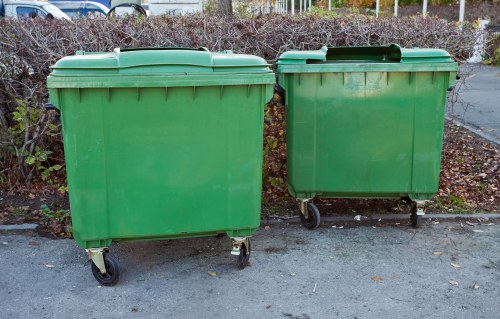 This Health and Safety Policy defines the responsibilities, procedures and controls for all rubbish removal and waste handling tasks carried out by the organisation. It is designed to protect employees, contractors, visitors and members of the public during rubbish collection, waste removal and site clearance activities. The policy applies to every operation involving waste management, from small domestic clearances to commercial rubbish clearance projects, and supports the promotion of a consistent safety culture across all sites.
Scope and objectives
The aim of this document is to minimise the risk of injury and illness, prevent environmental harm, and ensure safe and efficient rubbish removal services. Objectives include conducting thorough risk assessments, maintaining clear procedures for waste disposal and segregation, and ensuring that all staff are competent and equipped to perform their duties safely. Emphasis is placed on proactive measures, hazard control and ongoing monitoring to keep waste removal work safe and compliant with good industry practice.
Roles and accountabilities
Management shall establish safe systems of work, allocate resources and ensure that policies are implemented. Employees and contractors involved in rubbish removal and waste collection must follow site rules, report hazards immediately and use the correct protective equipment. Key responsibilities include:- Carrying out risk assessments and documenting method statements for each job, including bulky lifts and hazardous waste segregation.
- Providing, maintaining and replacing PPE and safety equipment as required.
- Ensuring safe vehicle operations and site traffic management during collections.
Every task begins with a documented risk assessment that identifies hazards such as sharps, chemical residues, asbestos if present, manual handling risks and moving vehicle hazards. The assessment will set out control measures for safe waste disposal, including segregation of recyclable materials, containment of liquids, and clear labelling of hazardous items to reduce exposure during rubbish clearance operations. Written plans must be available on site and communicated to all personnel involved in the job.
 Training and competence are fundamental. All staff receive induction training covering safe rubbish collection techniques, correct use of equipment, and how to identify hazardous materials that require specialist handling. Ongoing training includes refresher sessions and job-specific instruction for operation of compactors, lifts and mechanical aids. Records of training and qualifications are kept up to date, reviewed periodically and form part of performance assessments.
Personal protective equipment is mandatory where required by the risk assessment. This includes gloves, protective footwear, high-visibility garments, eye protection and respiratory protection where dust or fumes are present. Staff must inspect PPE before each shift and report defects. Defective PPE is removed from service until replaced. A hierarchy of controls is applied so that PPE is used as a last line of defence after elimination, substitution and engineering controls.
 Vehicles, plant and equipment used in waste disposal must be maintained to a high standard. Pre-shift vehicle checks, scheduled servicing and secure load procedures reduce the risk of mechanical failure, spills and load shifts during transit. Drivers and operators are required to hold appropriate licences and follow safe driving and reversing procedures, while ensuring public safety during roadside collections or on large clearance sites.
Manual handling and ergonomics are addressed with emphasis on using mechanical aids, team lifts and correct lifting techniques for bulky or heavy items encountered during rubbish removal. Work planning should consider load size, weight and the need for additional personnel. Employees are encouraged to stop and seek assistance when a lift appears unsafe to prevent musculoskeletal injuries and fatigue-related incidents.
 Emergency preparedness includes first aid, spill containment, and a clear incident reporting procedure for accidents and near misses. Incidents are investigated to identify root causes and corrective actions; findings are shared to prevent recurrence. Routine audits, inspections and reviews ensure the policy evolves with operational changes. Through continuous improvement, strong supervision and engagement with staff, the organisation aims to deliver safe, effective and environmentally responsible rubbish removal and waste management services.