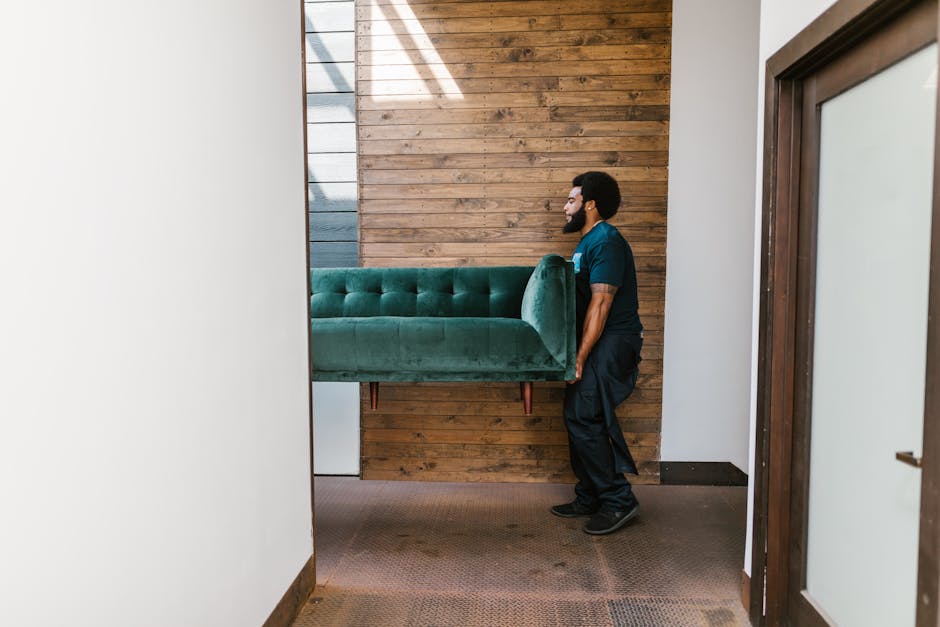
Pro Furniture Dismantling: Speedy Methods for Safe Transit
If you've ever tried to move a wardrobe through a narrow hallway or wrestled a bed frame down a staircase that seems to shrink by the minute, you already know the problem. Pro Furniture Dismantling: Speedy Methods for Safe Transit is about making that whole process calmer, safer, and a lot less awkward. The goal is simple: break bulky items down efficiently, protect the furniture, protect the building, and get everything where it needs to go without drama. Sounds obvious. In real life, it rarely is.
Done well, professional dismantling saves time, reduces damage, and makes loading much easier. It also helps when access is tight, time is limited, or the item is simply too heavy to move in one piece. In this guide, you'll get a practical breakdown of how the process works, what tools and methods matter, where people go wrong, and when it makes sense to bring in experienced help. You'll also find a checklist, a comparison table, and a few real-world observations that should save you some hassle.
Table of Contents
- Why It Matters
- How It Works
- Key Benefits and Practical Advantages
- Who This Is For and When It Makes Sense
- Step-by-Step Guidance
- Expert Tips for Better Results
- Common Mistakes to Avoid
- Tools, Resources and Recommendations
- Law, Compliance, Standards, or Best Practice
- Options, Methods, or Comparison Table
- Case Study or Real-World Example
- Practical Checklist
- Conclusion
- Frequently Asked Questions
Why Pro Furniture Dismantling: Speedy Methods for Safe Transit Matters
Furniture is often designed to look solid and stay put, not to move through stairwells, tight doorframes, or awkward turns. That's why dismantling matters. A sofa, wardrobe, desk, or dining table can seem manageable on paper and turn into a two-person puzzle once you hit the front door. If the item is oversized, fragile, or assembled with hidden fixings, forcing it out in one piece can lead to chipped walls, strained backs, broken joints, and a fair bit of swearing. Truth be told, that last part is usually the first warning sign.
Professional dismantling is not just about speed. It is about sequencing the move correctly so the furniture comes apart in the right order, the parts stay organised, and the final transit is clean and controlled. That matters for family homes, rental flats, office moves, and clearance jobs where multiple items need handling in one go. It also matters if the item has any value left and you want it reassembled properly at the destination.
If your move includes mixed items, a broader service can help too. For larger clearances, it may be worth exploring furniture clearance or a fuller home clearance approach when the goal is to empty rooms quickly and responsibly.
How Pro Furniture Dismantling: Speedy Methods for Safe Transit Works
The process usually starts before a single screw is removed. A good dismantler looks at the item, identifies the construction method, checks access points, and decides whether it is better to move, lift, or split the furniture into sections. That first assessment sounds small, but it often saves the most time. You'd be surprised how many delays come from starting too early.
Most modern flat-pack or modular furniture is held together with a mix of bolts, cam locks, dowels, brackets, and screw fittings. Older furniture may use wood screws, glue blocks, corner braces, or a very determined combination of all four. The technique changes depending on the build. The aim is to release tension gradually, keep panels supported, and avoid stripping fittings or cracking laminate edges.
A typical professional workflow looks something like this:
- Inspect the item and note weak points, hidden fixings, and weight distribution.
- Clear the work area so tools, parts, and packaging have somewhere to go.
- Remove drawers, shelves, cushions, glass panels, doors, or loose hardware first.
- Label or bag fixings so reassembly is not guesswork later.
- Undo structural fixings in a controlled order, supporting the frame as you go.
- Wrap or pad delicate parts before moving them out of the room.
- Load dismantled sections in a way that prevents rubbing, bending, or pressure damage.
Speed comes from method, not rushing. That's the difference. A skilled team can move quickly because they know where to apply force, where to pause, and where a small adjustment will prevent a much bigger headache later. A half-minute spent checking a concealed bracket can save fifteen minutes of damage repair. Not glamorous, but very real.
Key Benefits and Practical Advantages
When furniture dismantling is done properly, the benefits show up immediately and again at the destination. The most obvious gain is better access. A wardrobe that will not fit around a corner in one piece suddenly becomes manageable once it has been broken down into panels. The second gain is safety. Smaller components are easier to carry, easier to balance, and less likely to catch on stairs or bannisters.
There's also a time benefit that people sometimes miss. At first glance, dismantling may look like extra work. In practice, it often reduces total moving time because you spend less energy trying to force a bulky item through impossible spaces. If you're clearing multiple rooms, that time saving becomes even more valuable.
Other practical advantages include:
- Lower risk of scratches, chips, and crushed corners
- Reduced strain on lifting teams
- Cleaner loading into vans or lorries
- Better chance of reusing or reselling the item later
- Less disruption in shared buildings, flats, or offices
For commercial properties, the benefit can be even more noticeable. A staged, tidy approach keeps corridors usable and avoids blocking other staff. If you're dealing with a workplace move, it may be useful to look at office clearance alongside dismantling so the entire process stays coordinated rather than pieced together at the last minute.
Expert summary: The fastest safe move is rarely the one that starts with brute force. It is usually the one that starts with a quick assessment, the right tools, and a clear plan for how each piece will leave the room.
Who This Is For and When It Makes Sense
This approach is useful for anyone moving furniture through awkward access, but some situations make it especially sensible. If you live in a flat with tight stair turns, if your building has a small lift, if you're clearing a loft, or if the furniture is old and fragile, dismantling is often the best route. It is also the right call when you are moving bulky items out of basements, garden rooms, or offices with shared access routes.
Let's face it, not every move is a straight line from point A to point B. Sometimes there's a baby gate in the hall, a narrow landing, a slightly grumpy landlord, and a sofa that seemed smaller in the shop. Those are the jobs where a careful dismantling plan pays off.
This is especially relevant for:
- Homeowners moving house
- Tenants clearing a flat before checkout
- Families replacing old bedroom furniture
- Landlords managing end-of-tenancy clearances
- Offices removing desks, boardroom tables, and storage units
- People preparing items for disposal rather than relocation
If disposal is the end goal, you may want to pair dismantling with responsible collection through furniture disposal. That keeps the workflow practical and avoids leaving a pile of awkward components in the hallway while you decide what to do next.
Step-by-Step Guidance
Here's a clear, practical way to approach furniture dismantling without turning the room upside down. The detail matters here, because small steps done in the right order make the whole process smoother.
1. Prepare the room
Move fragile items away, protect floors if needed, and make sure you have enough space to lay out parts. Open doors fully. Check there's a clear route to the exit. If you're working in a small room, even one extra chair can get in the way. You notice this halfway through, usually.
2. Identify the furniture construction
Look for visible screws, cam locks, Allen bolts, clips, or concealed brackets. Check whether the unit is modular, flat-packed, or traditionally assembled. If it has glass, mirrors, or veneered surfaces, be extra cautious with pressure points.
3. Remove loose parts first
Take out drawers, shelves, cushions, doors, and detachable legs before tackling the main frame. This makes the unit lighter and helps expose the core fixings.
4. Group and label fixings
Put screws and fittings into small bags or containers, and label them by section if reassembly matters. A quick note on masking tape can save a lot of head-scratching later. You may think you'll remember which bolt came from which panel. You probably won't, not after an hour.
5. Support the structure as you undo fixings
Don't let the furniture collapse on itself once the last bolt comes out. Keep one hand ready to steady the panel, especially with wardrobes, shelving units, and headboards.
6. Protect edges and vulnerable surfaces
Wrap corners, pad glass, and secure loose cables or hooks. For long-distance transit, this matters more than people expect because vibration and rubbing can be just as damaging as a bad lift.
7. Move in sections, not in a hurry
Carry panels upright where possible, keep weight close to the body, and use team lifting for awkward shapes. The point is controlled movement, not speed for its own sake.
8. Load the vehicle carefully
Place heavier pieces at the base, keep delicate panels separated, and avoid resting sharp edges against softer surfaces. If the item is going to storage or reuse, this final step can make all the difference to its condition.
Expert Tips for Better Results
A few habits separate tidy dismantling from a frustrating one. First, take photos before and during disassembly. Even a couple of quick phone pictures can help with reassembly or insurance records if there's a dispute about condition. Second, use the right tool rather than the nearest one. A rounded Allen key can chew through a fitting and slow everything down.
Third, work from the outside in. Removing visible accessories first gives you more room to see the real structure. Fourth, keep fixings together from the moment they come out. Loose screws vanish into carpets with almost supernatural speed. It's a talent nobody wants.
There's also a timing tip that can genuinely help. If you're dismantling a number of items, do the larger or more complex pieces first, while everyone still has energy and the room is still organised. Leaving the heaviest item until the end sounds logical, but tired arms and cluttered space tend to create silly mistakes.
If the job forms part of a larger clearance, look at the whole sequence rather than each piece in isolation. A broader house clearance plan can make furniture dismantling more efficient because items are removed in one coordinated visit rather than in separate stages.
Common Mistakes to Avoid
Most problems come from impatience, poor preparation, or assuming all furniture is built the same way. It isn't. A good-looking finish may hide awkward joints, and a sturdy frame may still have fragile decorative parts. People often make the mistake of pulling panels apart before checking whether hidden screws or brackets are still in place. That's how cracks happen.
Another common issue is forgetting the route out of the property. A piece can be dismantled perfectly and still get damaged at the final corner because nobody measured the landing properly. Annoying, and very avoidable.
- Using the wrong screwdriver or driver bit
- Skipping photos or labels
- Forcing jammed fittings instead of checking alignment
- Leaving glass or mirrors unsecured
- Ignoring floor protection in tight spaces
- Trying to lift too much alone
One more thing: don't treat packaging as an afterthought. Cardboard sleeves, blankets, and stretch wrap are not glamorous, but they keep a move tidy. If you hear the hollow clack of loose panels touching in a van, that's usually the sound of a future repair bill.
Tools, Resources and Recommendations
You do not need a giant toolkit, but the right basics matter. A few well-chosen tools make the process faster and safer than a whole drawer of random spanners. The essentials usually include screwdrivers, hex keys, adjustable spanners, a drill or driver for appropriate fixings, moving blankets, tape, labels, padding, and a utility knife for packaging only where safe and suitable.
Practical extras can help too:
- Zip bags for screws and fittings
- Marker pens for section labels
- Furniture sliders for repositioning heavy items
- Corner protectors for delicate edges
- Ratchet straps for stable vehicle loading
For larger collections of unwanted items, consider whether the job is better handled as part of a wider waste plan. A professional waste removal service can be useful when dismantled furniture is only one part of the load. If you're comparing options, looking at pricing and quotes in advance can help you plan the job properly without awkward surprises later.
And if you care about what happens next, a service with a clear approach to recycling and sustainability is worth considering. A dismantled item is often easier to sort into reusable or recyclable parts than a whole bulky unit. That's a nice little win, to be fair.
Law, Compliance, Standards, or Best Practice
Furniture dismantling itself is a practical task, but the surrounding handling, transport, and disposal should still follow sensible UK best practice. The main concerns are safety, access, and responsible waste handling. If you are moving furniture for a business, landlord, or managed property, you should also be mindful of duty of care, site rules, and any internal safety procedures that apply to the premises.
From a practical standpoint, good best practice usually means:
- Using suitable manual handling techniques
- Keeping walkways clear during work
- Protecting the property from avoidable damage
- Separating reusable items from waste where possible
- Making sure disposal routes are legal and traceable where required
If a mover or clearance team is involved, it is sensible to check their health and safety policy and insurance and safety information before booking. For many customers, that peace of mind is worth more than shaving a few minutes off the job. And if you are sharing sensitive information or making a booking, it can also help to review payment and security details so the process feels straightforward and transparent.
Where a service is being hired, it is perfectly reasonable to ask how issues are handled, what happens if access changes on the day, and how complaints are managed. Clear expectations reduce friction, which is often half the battle. For background on process and trust, you can also review the company's about us and complaints procedure pages.
Options, Methods, or Comparison Table
Not every furniture move needs the same method. Sometimes you can remove one part and carry the rest whole. Sometimes a full strip-down is the only sensible answer. Here's a straightforward comparison to help you decide.
| Method | Best for | Advantages | Limitations |
|---|---|---|---|
| Move whole item | Light, compact, easy-access furniture | Fastest option, least handling | Risky if doors, stairs, or corners are tight |
| Partial dismantling | Wardrobes, beds, tables with removable parts | Good balance of speed and control | Still requires care with fixings and weight |
| Full dismantling | Large modular units, fragile items, awkward access | Best access, safer transport, easier loading | Takes more planning and labelling |
In many real moves, the best option is a mix. A bed frame may need full dismantling, while a table only needs the legs removed, and a storage unit can be carried intact once the shelves are out. That flexible approach often saves the most time.
Case Study or Real-World Example
Picture a standard second-floor flat move on a grey weekday morning. The client had a double wardrobe, a bed frame, two bedside units, and a solid dining table that had clearly lived a full life. The staircase turned sharply at the landing, which is the sort of layout that looks fine until you are actually standing there with a measuring tape and a mildly panicked expression.
The wardrobe was the main issue. Rather than trying to muscle it round the corner, the team removed the doors, shelves, and back panel first, then took the frame apart in sections. The bed followed with minimal fuss because the fixings were easy to access once the mattress and slats were out of the way. The dining table only needed its legs removed. Nothing dramatic. Just methodical work, a few labels, and a lot less noise than a brute-force approach would have made.
The nice part? The room stayed tidy, the hallway walls stayed unscuffed, and the customer did not have to deal with a half-broken cabinet getting wedged mid-stair. In a job like that, success is often invisible. Which is exactly what you want.
Practical Checklist
Use this before you start:
- Measure doors, stair turns, lifts, and access routes
- Check whether the item can be moved whole or should be dismantled
- Gather the right tools before beginning
- Clear the floor and protect delicate surfaces
- Take photos of the assembled item
- Remove loose parts such as shelves, cushions, and drawers
- Label fixings and store them safely
- Wrap fragile or high-value panels
- Lift with support, not by twisting
- Load parts securely for transit
- Decide whether the item will be reused, donated, or disposed of
- Plan the follow-up collection or clearance step
If the room contains several items, think about whether a broader service would be simpler. A combined approach often avoids multiple visits and keeps the whole day less chaotic. For some properties, especially after renovations or major declutters, services such as builders waste clearance or loft clearance can sit alongside furniture dismantling quite naturally.
Conclusion
Pro furniture dismantling is really about control. You control the size of the load, the risk of damage, the pace of the move, and the quality of the finish at the other end. That is why the best speedy methods are rarely rushed. They are planned, tidy, and calm under pressure. A few measured steps now can save you from a lot of lifting, banging, and redoing later.
Whether you are moving a single awkward wardrobe or clearing an entire property, the same principles apply: assess first, dismantle in the right order, protect the parts, and keep the route clear. Simple enough on paper, but hugely effective in practice. And honestly, once you've seen how much easier a careful breakdown makes transit, it's hard to go back.
Get a free quote today and see how much you can save.
When the move is handled well, the whole day feels lighter. That's the real win.
Frequently Asked Questions
What does professional furniture dismantling actually involve?
It usually means safely breaking down bulky furniture into manageable parts so it can be moved, stored, or disposed of without damage. That includes removing drawers, doors, shelves, legs, and structural fixings in the right order.
Is dismantling always better than moving furniture whole?
Not always. If the item is light and access is wide, moving it whole may be quicker. Dismantling becomes the better choice when space is tight, the item is heavy, or there is a high risk of damage.
Can I dismantle furniture myself?
Yes, for simple flat-pack or modular items, you often can. The key is to work slowly, keep fixings organised, and stop if the furniture has hidden joints, glued sections, or fragile materials that could split.
How long does furniture dismantling usually take?
It depends on the item and access. A simple bed frame may take only a short time, while a large wardrobe or office storage unit can take longer. The real variable is not just the item, but how awkward the route out is.
What tools do I need for safe dismantling?
Common tools include screwdrivers, Allen keys, an adjustable spanner, labels, tape, padding, and bags for fixings. For larger jobs, moving blankets and straps are very helpful. Using the correct tool matters more than using a stronger one.
How do I avoid losing screws and fittings?
Put them in labelled bags as soon as they come out. Keep each furniture item or section separate. If you're doing several pieces in one go, small containers or zipped bags make life much easier.
What furniture is hardest to dismantle?
Older wardrobes, fitted storage, solid wood pieces, and items with hidden fixings or glued joints tend to be the most awkward. Glass, mirrors, and veneered panels also need extra care because they can chip or crack easily.
Is furniture dismantling useful for office moves?
Absolutely. Desks, workstations, storage cabinets, and meeting tables are often far easier to move once reduced into sections. In a busy workplace, that can also help keep access routes clear and reduce disruption.
Should I book clearance before or after dismantling?
Usually before, if the furniture needs to be collected from the property. Planning the clearance first means the dismantling and loading can happen in one organised visit instead of becoming a separate job later.
What if the furniture is old but still usable?
If it's still in decent condition, careful dismantling can help keep it reusable for longer. That makes transport and storage easier, and it may also support a more responsible next step than simply throwing it away.
How do I know if a clearance company is trustworthy?
Look for clear information on safety, insurance, payment, and company details. A transparent approach to insurance and safety and terms and conditions is a good sign. If the paperwork feels vague, that's worth noticing.
Can dismantled furniture be recycled?
Often, yes, depending on the materials and condition. Wood, metal, and some plastics may be sorted separately, which is one reason careful dismantling can support better recycling outcomes than leaving items in one mixed, bulky piece.
What is the fastest safe method for transit?
The fastest safe method is usually a planned, partial-or-full dismantle with labelled parts, protective wrapping, and a clear loading order. Speed comes from preparation and experience, not from rushing the screws out. That bit tends to backfire.
If you're still weighing up your options, it's worth taking a breath and planning the move properly. A little structure now can save a lot of effort later, and that's usually the moment the whole job starts to feel manageable.